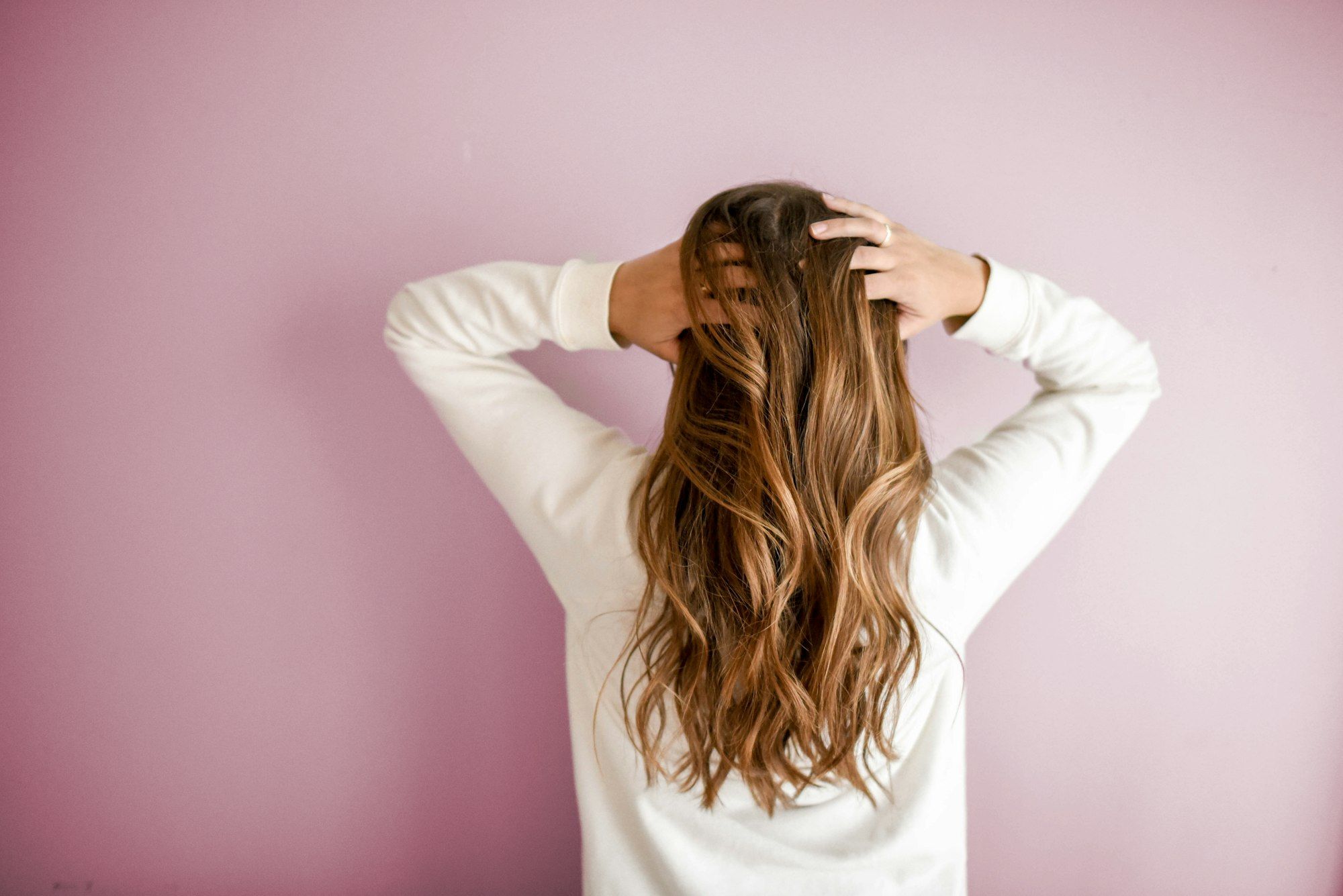
Coloring your hair can be a great way to refresh your appearance, experiment with a new shade, or express your personal style. But keeping colored hair looking healthy takes more than choosing the right dye. Chemical treatments can leave hair feeling dry, rough, or more fragile, especially when coloring is repeated or combined with heat styling.
The good news is that a thoughtful hair care routine can help maintain your color, improve softness, and reduce unnecessary damage. You do not need an entire shelf of expensive products. The most important things are gentle cleansing, regular conditioning, heat protection, and habits that help prevent premature fading.
In this guide, you’ll learn how to take care of colored hair, which products and ingredients to look for, how often to wash it, and what common mistakes to avoid.
Quick Answer: How Do You Take Care of Colored Hair?
To keep colored hair healthy and vibrant, follow these basic habits:
-
Choose a gentle shampoo designed for color-treated hair.
-
Avoid washing your hair more often than necessary.
-
Use conditioner after every shampoo.
-
Apply a deep-conditioning treatment regularly if your hair feels dry.
-
Limit heat styling and use a heat protectant.
-
Protect your hair from prolonged sun exposure.
-
Avoid aggressive brushing, especially when hair is wet.
-
Follow the instructions for any color-depositing or toning products.
-
Schedule touch-ups thoughtfully instead of coloring too frequently.
-
Trim damaged or split ends when needed.
The best routine depends on your hair texture, condition, and the type of color treatment you have. Start with gentle care and adjust your routine based on how your hair responds.
Why Does Colored Hair Need Special Care?
Hair coloring can change the structure of the hair, particularly when permanent dyes or bleaching products are involved. Some chemical services can make hair more porous, dry, or brittle. This may increase the likelihood of breakage and make it harder for hair to retain moisture.
Colored hair can also lose its vibrancy over time. Washing, heat styling, sunlight, and environmental exposure may all contribute to fading.
This does not mean colored hair cannot look healthy. It simply means that your routine should focus on protecting the hair, maintaining moisture, and reducing avoidable stress.
10 Tips for Healthy, Vibrant Colored Hair
1. Choose a Gentle Shampoo for Color-Treated Hair
The shampoo you use can make a difference in how your hair feels and how long your color stays fresh.
Look for a gentle shampoo formulated for color-treated hair. These products are generally designed to cleanse without leaving the hair feeling excessively dry. If your hair is already fragile, avoid shampoos that make it feel rough or stripped after washing.
When shampooing, concentrate on your scalp rather than aggressively rubbing the lengths. The foam that runs through the rest of your hair during rinsing is usually enough to cleanse it.
Helpful tip: You do not need to shampoo your hair twice every time. If one gentle wash removes the buildup, a second round may be unnecessary.
2. Avoid Washing Your Hair Too Frequently
Frequent washing may contribute to faster color fading, depending on the dye, shampoo, and condition of your hair.
There is no universal washing schedule for everyone. Some people need to wash their hair every day because of their scalp type or activity level, while others are comfortable washing it less often.
Instead of following a strict rule, pay attention to your scalp. Wash when it feels oily, uncomfortable, or needs cleansing.
On days when your hair does not need a full wash, you can simply refresh your style without adding unnecessary cleansing steps.
3. Never Skip Conditioner
Conditioner is an essential part of a routine for colored hair. It helps improve softness, smoothness, and manageability after shampooing.
Apply conditioner mainly to the mid-lengths and ends, where hair often feels driest. Leave it on for the time recommended on the product label, then rinse thoroughly.
When choosing a conditioner, look for formulas designed for color-treated or dry hair. Ingredients such as glycerin, fatty alcohols, and conditioning agents can help improve the feel and manageability of the hair.
Remember: Conditioner does not repair every type of chemical damage, but it can help reduce friction and make hair easier to detangle.
4. Use a Deep Conditioning Treatment Regularly
If your hair feels rough, dry, or difficult to manage after coloring, consider adding a deep-conditioning mask to your routine.
A hair mask can provide more conditioning than a standard rinse-out conditioner, depending on its formulation. It may help improve softness, reduce the feeling of dryness, and make the hair easier to style.
A practical approach is to use a mask once a week or according to the product instructions. If your hair is particularly dry, you may benefit from using it more frequently, provided the formula works well for your hair.
Apply the product to the lengths and ends unless the label specifically says it is suitable for the scalp.
You do not need to use several masks or treatments at once. Start with one product and see how your hair responds.
5. Reduce Heat Styling
Frequent use of flat irons, curling irons, and high-temperature blow-dryers can make already fragile hair more vulnerable to damage.
If you regularly color your hair, try to reduce how often you use heated styling tools. Air-drying when practical and choosing heat-free hairstyles can help limit unnecessary exposure.
When heat styling is part of your routine:
-
Apply a suitable heat protectant before styling.
-
Use the lowest temperature that works for your hair.
-
Avoid repeatedly passing a hot tool over the same section.
-
Do not use heated tools on wet hair unless the tool is specifically designed for that purpose.
-
Give your hair breaks from heat styling whenever possible.
Heat protection is helpful, but it does not make unlimited high-temperature styling risk-free.
6. Protect Colored Hair From the Sun
Prolonged sun exposure can affect both the condition and appearance of colored hair. UV exposure may contribute to dryness and color changes, particularly when hair is already chemically treated.
If you spend a lot of time outdoors, consider wearing a hat or using a hair product specifically labeled for UV protection.
This can be especially useful during summer holidays, outdoor activities, and long days in direct sunlight.
Remember that a product labeled as a UV protectant should be used according to its instructions. A hat remains a simple physical way to reduce direct sun exposure.
7. Be Gentle When Brushing and Detangling
Colored hair may be more fragile, so rough brushing can increase breakage.
Avoid pulling a brush through tangled hair. Instead, use a suitable detangling brush or wide-tooth comb and work through knots gradually.
For longer hair, start at the ends and move upward toward the roots. This helps prevent tangles from becoming tighter as you brush.
When your hair is wet, handle it especially gently. Wet hair can stretch more easily, and aggressive brushing may cause unnecessary breakage.
A microfiber towel or soft cotton T-shirt can also be a gentler alternative to rubbing your hair vigorously with a regular towel.
8. Use Color-Depositing Products Carefully
Color-depositing conditioners, glosses, and toning shampoos can help refresh the appearance of certain shades between salon appointments.
For example, some purple shampoos are designed to help neutralize unwanted yellow tones in blonde or lightened hair. Blue-toning products may be used for certain darker blonde or brunette shades.
However, these products are not necessary for everyone. Using the wrong formula or leaving it on longer than recommended may create an unwanted color result.
Always check that the product is suitable for your hair shade and follow the label instructions.
If you are unsure which toning product to use, ask a professional colorist before experimenting.
9. Schedule Color Treatments Thoughtfully
Frequent chemical treatments can increase dryness and damage, especially when previously colored lengths are repeatedly processed.
Try to avoid unnecessary full-head coloring when only your roots need attention. A professional colorist can help determine the most appropriate approach for maintaining your shade while limiting repeated processing.
If you bleach or lighten your hair, professional guidance is particularly important. Lightening can be more demanding on the hair than some other color services.
Give your hair time between chemical treatments when possible, and pay attention to signs of excessive dryness or breakage.
10. Trim Split Ends When Needed
Conditioners and hair masks can improve the appearance and feel of damaged hair, but they cannot permanently reconnect split ends.
If your ends look frayed, feel rough, or tangle easily, a trim may help your hair look neater and make it easier to manage.
How often you need a trim depends on your hair length, condition, styling habits, and personal goals. There is no single schedule that works for everyone.
Regular trims are not required to make hair grow faster, but removing damaged ends can help maintain a healthier-looking style.
Best Hair Care Products for Colored Hair
Choosing the right products does not have to be complicated. Focus on what your hair actually needs rather than buying every product marketed for color protection.
| Product Type | What It Does | When to Use It |
|---|---|---|
| Color-safe shampoo | Gently cleanses the hair | On wash days |
| Conditioner | Improves softness and manageability | After every shampoo |
| Hair mask | Provides additional conditioning | Weekly or as directed |
| Leave-in conditioner | Helps with detangling and manageability | After washing, if needed |
| Heat protectant | Helps reduce heat-related damage | Before heat styling |
| UV-protection hair product | Helps protect hair during sun exposure | Before prolonged outdoor exposure |
| Color-depositing conditioner | Refreshes or adjusts the appearance of certain shades | As directed for your color |
Ingredients to Look For
Different formulas use different combinations of ingredients, but some common categories can be useful when choosing products:
-
Glycerin: A humectant that helps attract and retain water.
-
Conditioning agents: Help smooth the hair surface and improve detangling.
-
Fatty alcohols: Ingredients such as cetyl alcohol and stearyl alcohol can contribute to a softer, more conditioned feel.
-
Silicones: Some silicones help improve slip, reduce friction, and add smoothness.
-
Proteins and hydrolyzed proteins: Used in some formulas to improve the feel and appearance of damaged hair.
No single ingredient guarantees that a product will work for everyone. The overall formula, your hair condition, and how you use the product all matter.
A Simple Weekly Hair Care Routine for Colored Hair
A consistent routine is often more useful than constantly switching between products.
Here is a simple example you can adjust to your hair type and washing schedule.
| Routine | What to Do | Why It Helps |
|---|---|---|
| Wash day | Use a gentle shampoo and conditioner | Cleanses while improving manageability |
| After washing | Apply leave-in conditioner if needed | Helps detangle and smooth the lengths |
| Styling | Use heat protectant before heated tools | Helps reduce heat-related stress |
| Once a week | Use a conditioning hair mask | Adds an extra conditioning step |
| Throughout the week | Avoid unnecessary heat and rough brushing | Helps reduce breakage |
| When outdoors | Use a hat or suitable UV-protection product | Helps limit sun exposure |
This is a starting point, not a strict schedule. Fine hair may need lighter products, while thick, curly, or very dry hair may benefit from richer conditioning formulas.
Hair Care Tips by Hair Type
Colored hair does not respond to every product in the same way. Your natural texture and scalp condition should influence your routine.
Fine Hair
Choose lightweight conditioners and leave-in products that do not weigh your hair down. Apply richer treatments mainly to the ends and avoid using more product than necessary.
Thick Hair
Thicker hair may benefit from richer conditioners and more substantial masks, especially if the lengths feel dry after coloring. Work products through the hair evenly.
Curly Hair
Curly hair can be more prone to dryness and tangling. Use a moisturizing conditioner, detangle gently, and consider a leave-in product that supports softness and curl definition.
Wavy Hair
Choose products that provide enough conditioning without making your waves feel heavy. Gentle detangling and limited heat styling can help maintain your natural texture.
Dry or Damaged Hair
Focus on gentle cleansing, regular conditioning, and reducing heat exposure. Avoid repeatedly processing already fragile lengths, and seek professional advice if you notice significant breakage.
Common Mistakes to Avoid With Colored Hair
Even a good hair care routine can become less effective if you regularly make habits that increase dryness or damage.
Here are some common mistakes worth avoiding:
-
Using harsh shampoo: A formula that leaves your hair feeling stripped may not be the best choice for chemically treated lengths.
-
Skipping conditioner: Shampooing without conditioning can leave hair harder to detangle.
-
Using too much heat: Frequent high-temperature styling can increase damage.
-
Brushing aggressively: Pulling through knots can contribute to breakage.
-
Overusing toning products: Purple, blue, and other color-depositing products should be used according to their instructions.
-
Coloring too frequently: Repeated chemical processing can make hair increasingly fragile.
-
Ignoring the scalp: A healthy routine should include gentle scalp cleansing, not just care for the lengths.
-
Expecting products to reverse all damage: Conditioning products can improve appearance and manageability, but they cannot fully reverse every type of chemical damage.
Curious how porous your hair is and what that means for products? Try our free hair porosity test.
Frequently Asked Questions
How often should you wash colored hair?
There is no universal washing schedule. It depends on your scalp, hair texture, lifestyle, and the type of color treatment you have. Wash when your scalp needs cleansing and choose a gentle shampoo suitable for color-treated hair.
What is the best shampoo for colored hair?
A gentle shampoo formulated for color-treated hair is a sensible starting point. Choose one that cleanses your scalp without leaving your hair feeling excessively dry. If you have specific concerns, such as blonde hair that develops unwanted yellow tones, a suitable toning shampoo may be useful as an occasional product.
Should you use conditioner every time you wash colored hair?
Yes, using conditioner after shampooing is a useful habit for most people with colored hair. It helps improve softness, reduce friction, and make detangling easier. Choose a formula that suits your hair texture.
How can I keep my hair color from fading?
To help maintain your color, use gentle hair care products, avoid unnecessary washing, reduce excessive heat styling, and protect your hair from prolonged sun exposure. The exact results depend on the dye, shade, hair condition, and your daily routine.
Is it okay to use purple shampoo on colored hair?
Purple shampoo can be useful for certain blonde, silver, or lightened shades because it helps neutralize unwanted yellow tones. However, it is not suitable for every hair color. Choose a product designed for your shade and follow its instructions.
Can colored hair become healthy again?
Hair that has been chemically damaged cannot always be restored to its original condition. However, conditioning products, gentle handling, reduced heat styling, and careful treatment choices can improve its appearance and manageability. Severely damaged or breaking hair may benefit from advice from a professional stylist.
Does colored hair need a hair mask?
A hair mask is not essential for everyone, but it can be a helpful addition if your hair feels dry or rough. Choose a formula designed for your hair type and use it according to the label.
Can I use oil on colored hair?
Some hair oils can help improve smoothness, add shine, and reduce friction. They are generally best used in small amounts on the mid-lengths and ends. Check the product instructions and choose a formula that suits your hair texture.
Should I avoid swimming after coloring my hair?
Follow your colorist’s advice about when it is appropriate to swim after a fresh color service. Chlorinated pools and other environmental factors may affect the appearance and condition of colored hair. When swimming, consider a swimming cap and rinse your hair afterward.
The Bottom Line
Learning how to take care of colored hair does not require a complicated routine. The most important habits are simple: cleanse gently, condition consistently, protect your hair from excessive heat and sun exposure, and avoid unnecessary chemical processing.
Choose products based on your hair’s actual needs rather than following every trend. Fine, curly, thick, and damaged hair may all benefit from different formulas and routines.
Most importantly, be patient and consistent. Healthy-looking colored hair is not about using the most products—it is about choosing suitable care and treating your hair gently every day.
Sources & Further Reading
This article is for general educational purposes and is not a substitute for personalized advice from a dermatologist or qualified hair professional.
The following resources informed the general guidance on hair coloring, conditioning, styling, and hair dye safety:
-
American Academy of Dermatology — Coloring and perming tips for healthier-looking hair
-
American Academy of Dermatology — Tips for healthy hair
-
American Academy of Dermatology — Hair styling without damage
-
U.S. Food and Drug Administration — Cosmetics Safety Q&A: Hair Dyes