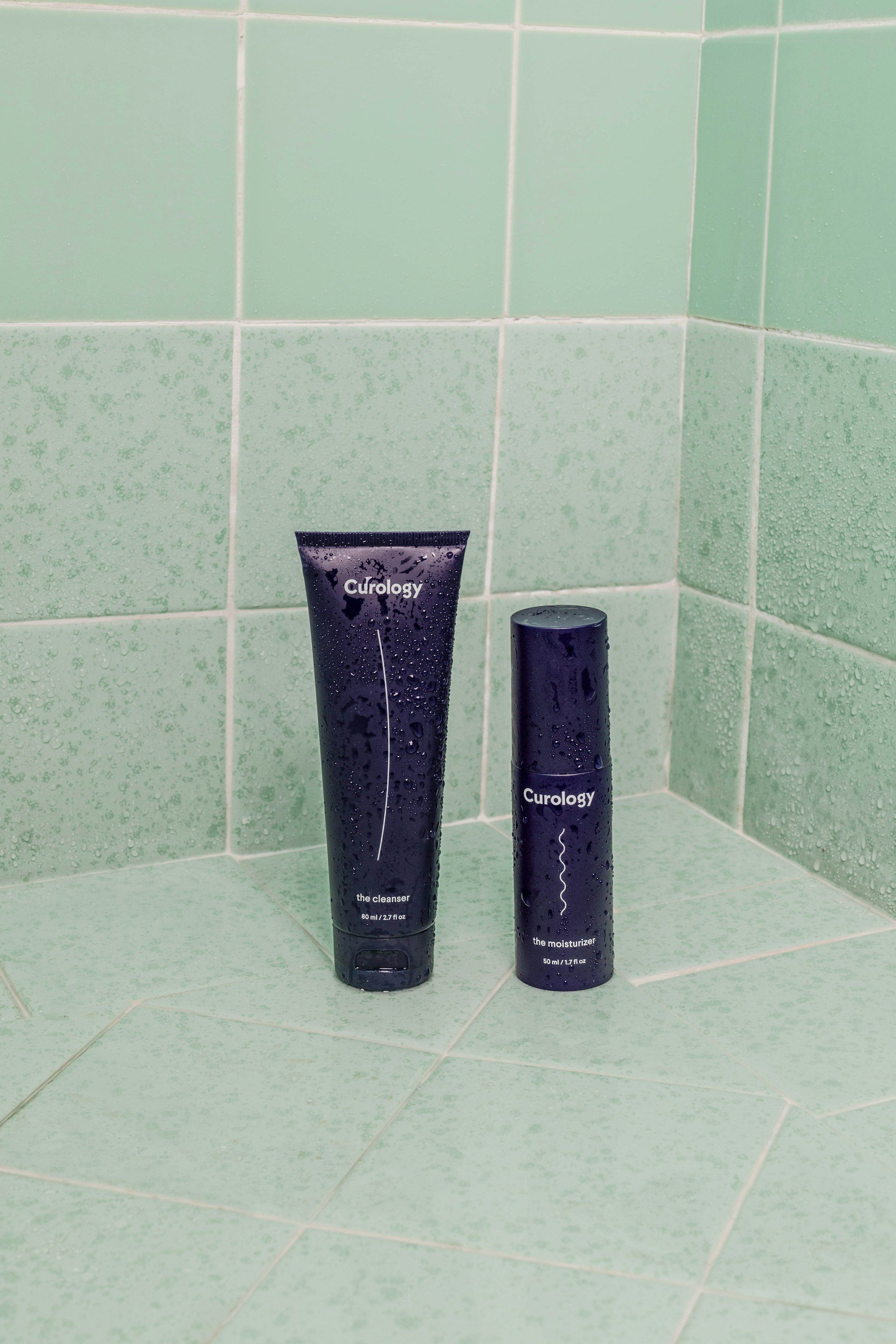
A good evening routine does not need ten products, complicated tools, or a bathroom shelf full of expensive formulas. The most useful night skin care routine is one you can follow consistently: gently remove the day’s buildup, use a treatment if your skin needs one, and finish with moisturizer.
At night, your skin care routine has a practical job. It helps remove sunscreen, makeup, excess oil, sweat, and everyday dirt. It also gives you a convenient time to apply certain treatments, such as retinoids, when they are appropriate for your skin. But more steps do not automatically mean better results. A simple routine that respects your skin barrier is often the smarter place to start.
In this guide, you’ll learn the best order for a night skin care regimen, what each step does, how to adjust the routine for your skin type, and which common mistakes are worth avoiding.
Quick Answer: What Is the Correct Night Skincare Routine Order?
For most people, a straightforward evening routine follows this order:
Remove makeup and sunscreen, if needed.
Cleanse with a gentle face wash.
Apply one targeted treatment, if you use one.
Use a hydrating serum or other optional product, if it suits your skin.
Apply a moisturizer.
Use a small amount of a suitable lip balm or ointment on dry lips, if needed.
You do not need every step. If you are new to skin care, start with cleansing and moisturizing. Add a treatment only when you know what concern you want to address and have chosen an ingredient that is suitable for you.
Step 1: Remove Makeup and Sunscreen
If you wore makeup or water-resistant sunscreen during the day, begin by removing it before your regular cleanse. You can use a makeup remover, micellar water, or a cleansing oil or balm, following the product directions. This first pass can help loosen products that a quick rinse may not remove fully.
Double cleansing is optional—not a rule everyone must follow. If you do not wear makeup or water-resistant sunscreen, one thorough cleanse with a gentle cleanser may be enough. Avoid rubbing hard around the eyes or using rough wipes that leave your skin feeling sore.
Step 2: Wash with a Gentle Cleanser
Cleansing is the foundation of a night skin care routine because it removes remaining sunscreen, makeup, sweat, excess oil, and daily buildup. Choose a mild cleanser that leaves your skin comfortable rather than tight, squeaky, or stripped.
Use lukewarm water and your fingertips. Massage the cleanser gently over your face, rinse thoroughly, and pat dry with a clean, soft towel. Scrubbing harder does not make cleansing more effective; it can irritate the skin.
How to choose a cleanser
Skin type or concern
What to look for
What to be mindful of
Dry or tight-feeling skin
A gentle, creamy or hydrating cleanser
Avoid formulas that leave skin feeling stripped.
Oily skin
A mild gel or foaming cleanser
Strong cleansing can still irritate; do not chase a squeaky-clean feeling.
Sensitive skin
A fragrance-free, gentle formula
Introduce new products slowly and watch for stinging or redness.
Combination skin
A balanced cleanser that feels comfortable across the face
You may need different moisturizers on different areas, not a harsher cleanser.
Acne-prone skin
A gentle cleanser; a treatment can be a separate step
Avoid aggressive scrubs and stacking multiple acne actives without guidance.
Step 3: Apply a Targeted Treatment (Optional)
This is the step where you address a specific skin concern, such as breakouts, uneven tone, or the look of fine lines. A treatment is not essential for everyone, and it is usually better to choose one main active ingredient than to layer several strong formulas at once.
Common ingredients and what they are used for
Ingredient
Common use
A sensible approach
Retinoids (including retinol)
May help with acne and visible signs of skin aging, depending on the product.
Start with a low-strength over-the-counter product and use it less often at first. Follow its label and professional advice.
Salicylic acid
Often used in products for clogged pores and acne-prone skin.
Introduce gradually; stop or reduce use if persistent dryness or irritation develops.
Azelaic acid
Used for concerns such as acne and uneven-looking skin tone.
Choose a formulation suited to your skin and follow the product directions.
Niacinamide
Commonly used to support the skin barrier and improve the look of uneven tone.
It is optional; a simple moisturizer may already be enough for some people.
Benzoyl peroxide
A common acne-treatment ingredient.
It can cause dryness and may bleach fabrics. Follow the label or clinician’s instructions.
If you are trying a new active ingredient, introduce one product at a time so you can tell how your skin responds. Do not start several exfoliating acids, retinoids, and acne treatments together. If you have a skin condition, use prescription products, or are unsure which ingredient is appropriate, ask a dermatologist or other qualified healthcare professional.
A note about retinol and retinoids
Retinoids can be useful for some people, but they are not a required part of a basic night skin care regimen. They may cause dryness, peeling, redness, or irritation, especially when first introduced. Follow the product instructions, begin slowly, and use moisturizer. Retinoids should be avoided during pregnancy; if you are pregnant, planning pregnancy, or breastfeeding, speak with a healthcare professional before using a retinoid or any active treatment.
If your skin becomes persistently irritated, pause the active product and return to a gentle cleanser and moisturizer. Do not try to push through burning or significant discomfort.
Step 4: Add a Hydrating Serum (Optional)
A hydrating serum can be a useful extra if your skin feels dehydrated or you enjoy the texture. Ingredients such as glycerin and hyaluronic acid are commonly used to attract and hold water in the skin. A serum is not mandatory, though: if your moisturizer keeps your skin comfortable, you may not need another layer.
Apply the serum according to its label, usually after cleansing and before moisturizer. If you use a treatment prescribed by a clinician, follow the instructions for that treatment rather than relying on a generic layering rule.
Step 5: Apply Moisturizer
Moisturizer helps reduce water loss and supports the skin barrier. It is useful for dry, oily, combination, and sensitive skin alike—the best formula is simply one your skin tolerates and that feels comfortable.
Apply moisturizer after your treatment or serum, unless the product instructions or your clinician recommend a different order. Applying it while skin is slightly damp can help lock in hydration. If you are prone to clogged pores, look for a product labeled “non-comedogenic” or “won’t clog pores.”
Choosing a moisturizer by skin type
Dry skin: consider a richer cream with moisturizing ingredients such as glycerin or ceramides.
Oily skin: a lightweight lotion or gel-cream may feel more comfortable.
Sensitive skin: consider a fragrance-free formula with a short, simple ingredient list.
Combination skin: use a lighter layer on oilier areas and a richer layer where you feel dry, if needed.
Step 6: Finish with Lip Care (If Needed)
Lips can feel dry even when the rest of your face does not. If yours are chapped, apply a simple lip balm or ointment before bed. Avoid licking your lips, which can make dryness worse, and choose a product that does not sting or irritate. During the day, remember that lips also benefit from sun protection.
Night Skincare Routine by Skin Type
The best night skin care routine is not identical for everyone. Use the following as a starting point, then adjust based on how your skin feels and how it responds. These are general examples, not treatment plans for diagnosed skin conditions.
Skin type
Simple evening routine
Helpful reminder
Dry
Gentle cleanser → hydrating serum (optional) → richer moisturizer
Avoid over-cleansing and add hydration gradually.
Oily
Gentle cleanser → suitable acne treatment (if needed) → lightweight moisturizer
Oily skin still needs moisturizer.
Combination
Gentle cleanser → targeted treatment (optional) → moisturizer adjusted by area
Keep the routine balanced rather than treating the whole face aggressively.
Sensitive
Fragrance-free gentle cleanser → simple moisturizer
Keep active ingredients minimal and patch-test new products.
Acne-prone
Gentle cleanser → one appropriate acne treatment → non-comedogenic moisturizer
Persistent, painful, or scarring acne deserves professional advice.
How Often Should You Follow Your Night Skin Care Routine?
A gentle cleanse and moisturizer can generally be part of your nightly routine. Treatment frequency depends on the ingredient, its strength, the product directions, and your skin’s tolerance. Some treatments are designed for daily use; others should be used less often, especially at first.
Do not assume that using a product every night will make it work faster. If you notice ongoing burning, redness, itching, or peeling, reduce or stop the product and seek professional advice if symptoms are significant or do not settle. Consistency with a comfortable routine is more useful than forcing your skin to tolerate too many steps.
Common Night Skincare Mistakes to Avoid
Using too many active ingredients at once. This can increase the chance of irritation.
Scrubbing or washing with very hot water. Gentle cleansing is usually enough.
Skipping moisturizer because your skin is oily. Lightweight hydration may still be helpful.
Going to bed with makeup or sunscreen still on. Remove the day’s buildup before sleeping.
Changing several products at the same time. Add one new product at a time so you can identify what works—or what irritates.
Expecting overnight results. Many skin concerns take time, and results vary by ingredient and individual.
Forgetting daytime sun protection. A night routine does not replace daily sun protection; use broad-spectrum SPF 30 or higher when going outdoors.
A Simple 5-Minute Night Skincare Routine
Short on time? You can keep your evening routine very simple. This is a practical baseline for someone who does not need a specific treatment:
Step
What to do
Why it matters
- Cleanse
Wash gently and rinse well.
Removes makeup, sunscreen, oil, sweat, and daily buildup.
- Moisturize
Apply a comfortable moisturizer.
Helps keep skin hydrated and support the skin barrier.
- Lip care
Add lip balm if your lips feel dry.
Helps reduce overnight dryness.
Once this basic routine feels comfortable, you can decide whether an additional treatment is genuinely useful for your skin. You do not need to copy a multi-step routine just because it is popular online.
If you want the full evening wind-down beyond skincare, read how to build a healthy night routine for better sleep. Not sure which products suit you? Take our free skin type quiz for a simple starting point.
Frequently Asked Questions
What is the correct order for a night skincare routine?
A common order is makeup and sunscreen removal (if needed), cleanser, targeted treatment, optional hydrating serum, and moisturizer. Not everyone needs every step. Follow the instructions for prescription products and individual formulas.
How many steps should a night skin care routine have?
A basic routine can be as simple as two steps: gentle cleansing and moisturizing. Add a treatment only if it addresses a specific concern and suits your skin.
Should I wash my face every night?
For most people, cleansing before bed is a useful habit because it removes sunscreen, makeup, sweat, and daily buildup. Use a gentle cleanser and avoid scrubbing.
Is moisturizer necessary at night?
Moisturizer helps reduce water loss and supports the skin barrier. Choose a texture that feels comfortable for your skin type; oily skin can use a lightweight formula.
Should I use retinol every night?
Not necessarily. Retinol and other retinoids can irritate skin, particularly when you first start. Follow the product directions, begin gradually, and ask a dermatologist if you are unsure. Avoid retinoids during pregnancy.
Can I use vitamin C at night?
Many vitamin C products can be used in the morning or evening, depending on the formulation and label directions. It is optional, not a required step in a night routine.
Do I need toner in my evening skincare routine?
No. Toner is optional. If your cleanser and moisturizer meet your needs, you can skip toner without leaving out an essential step.
What should I avoid in a night skincare routine?
Avoid harsh scrubbing, introducing several strong active ingredients at once, and continuing a product that causes persistent irritation. Use products as directed and seek professional advice for ongoing skin problems.
How long does it take to see results from a skincare routine?
It depends on the product and the concern. Hydration may feel different quickly, while acne, pigmentation, and texture concerns often take longer. Follow product directions and avoid changing multiple products before you can assess them.
The Bottom Line
The best night skincare routine is one that fits your skin, your needs, and your real life. Start with gentle cleansing and moisturizer, then consider one targeted treatment if you have a clear reason to use it. Keep the routine simple, introduce new products gradually, and pay attention to how your skin responds.
You do not need a crowded shelf to take good care of your skin. A few well-chosen steps, used consistently and safely, are a much better foundation than a complicated routine that leaves your skin irritated.
Sources & Further Reading
This article is for general educational purposes and is not a substitute for personalized medical advice. The following dermatology resources informed the general guidance on product order, cleansing, moisturizing, sun protection, and retinoid precautions.
American Academy of Dermatology — Should I apply my skin care products in a certain order?
American Academy of Dermatology — Skin care on a budget
American Academy of Dermatology — 10 skin care secrets for healthier-looking skin