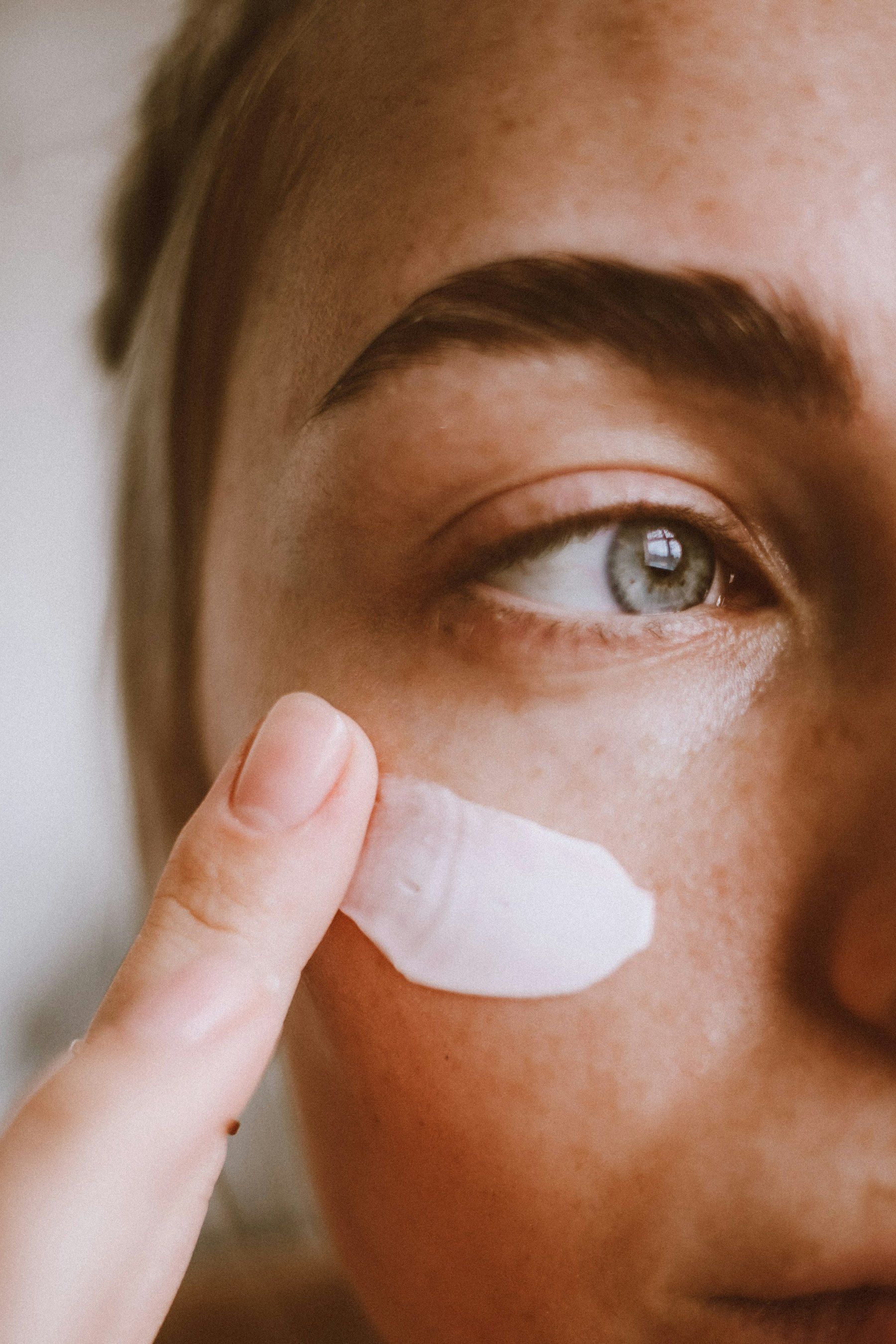
You already know what a short night looks like in the mirror. Puffier eyes, a duller complexion, concealer that suddenly isn’t doing its job. It turns out researchers have spent a surprising amount of time studying exactly that, and the results are hard to argue with.
What the studies found
In 2010, a team at the Karolinska Institute in Sweden photographed 23 young adults twice: once after a normal night’s sleep, and once after a short night followed by a full day awake. Strangers rated the photos without knowing which was which. They judged the sleep-deprived faces as less healthy, less attractive and more tired. The study ran in the BMJ under a title that says it all: “Beauty sleep.”
A follow-up from the same group in 2013 looked at what people were actually picking up on. After a night without sleep, faces had more hanging eyelids, redder and more swollen eyes, darker circles, paler skin and more visible fine lines. They also simply looked sadder.
And it doesn’t take an all-nighter. In a 2017 study, two nights of only four hours’ sleep were enough for observers to rate people as less attractive, less healthy and sleepier, and to say they’d be less keen to spend time with them.
The best night cream is still a full night’s sleep.
What happens to your skin overnight
Skin runs on a daily clock, just like the rest of your body. During the day it’s busy defending itself against sunlight and pollution. At night the balance appears to shift toward repair, with skin cells renewing more actively while you sleep.
There’s early evidence linking sleep quality to how skin ages, too. In a small 2015 study of 60 women, poor sleepers showed more signs of skin aging. Their skin also recovered more slowly after its protective barrier was disrupted and after sun exposure. The study was funded by a skincare company and can only show an association, so treat it as a strong hint rather than proof.
How much sleep you actually need
The American Academy of Sleep Medicine and the Sleep Research Society recommend that adults get at least seven hours a night on a regular basis. Timing matters as well. Sleep moves in cycles of roughly 90 minutes, and waking near the end of a cycle usually feels a lot easier than being pulled out of deep sleep.
Try it: our free Beauty Sleep Calculator works backward from your alarm in 90-minute cycles and suggests bedtimes that fit.
Seven small changes that help
- Keep your wake-up time steady. A consistent alarm, weekends included, is one of the simplest ways to anchor your body clock.
- Get daylight early. A few minutes of outdoor light soon after waking helps set your internal clock for the day ahead.
- Stop caffeine earlier than you think. In one study, a large dose of caffeine (about four cups of brewed coffee) taken six hours before bed still cut sleep by more than an hour. Try to finish your last coffee by early afternoon.
- Dim the lights after dinner. Bright light in the evening can delay melatonin, the hormone that tells your body it’s time to wind down. Softer lamps and night mode on your phone are an easy start.
- Keep your bedroom cool and dark. Many sleep experts suggest a room temperature of around 65°F (18°C). Blackout curtains or an eye mask help too.
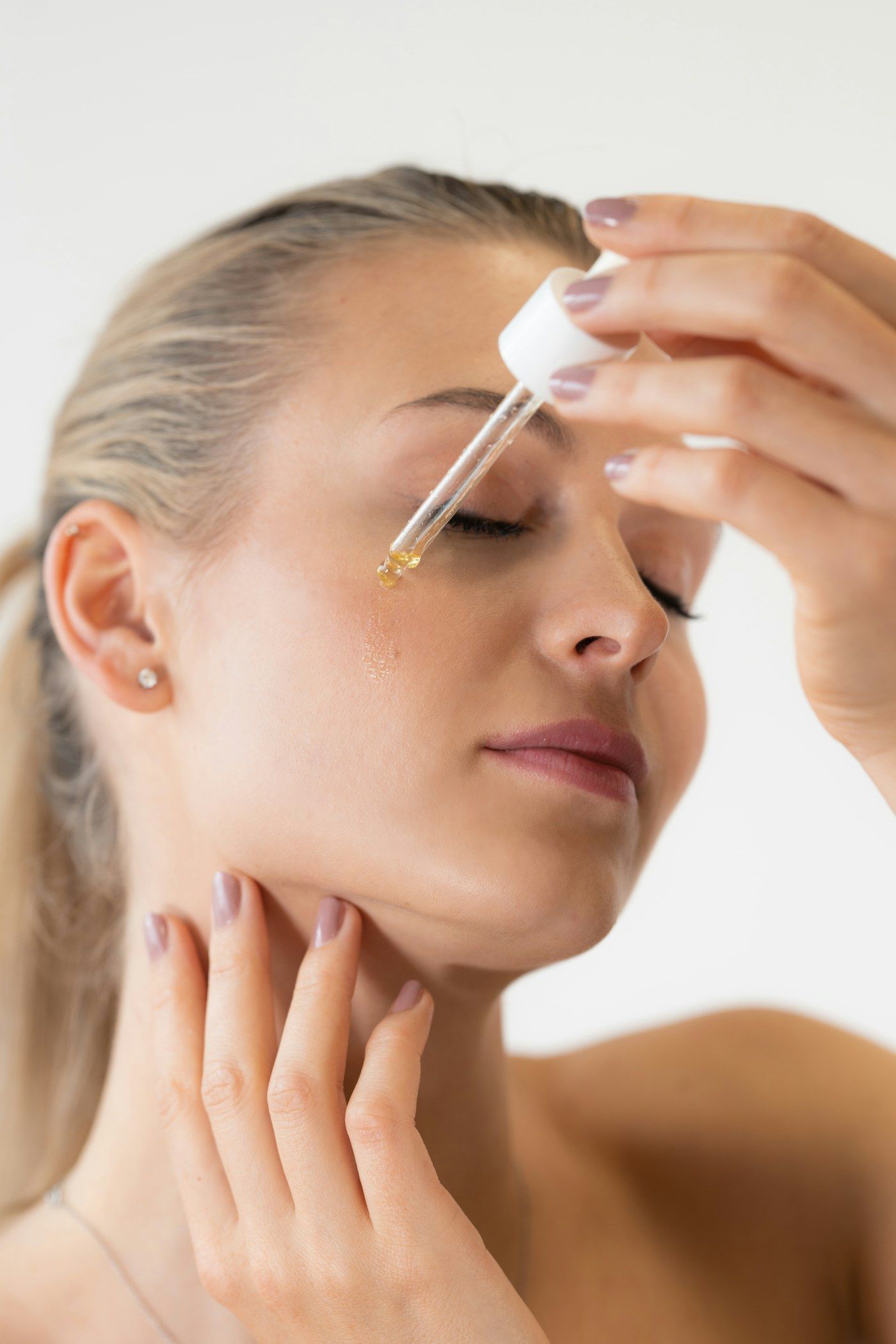
- Do your skincare before you’re exhausted. Cleanse, moisturize and apply any retinoid an hour before bed so it doesn’t get skipped. Retinoids break down in sunlight, which is one more reason they belong in your evening routine.
- Sleep on your back if you can. Pressing your face into a pillow night after night may contribute to sleep lines. A silk pillowcase feels lovely, but the evidence that it helps your skin is thin.
The bottom line
You don’t need a twelve-step night routine. Protect your seven hours, keep your schedule steady and give your skin a simple evening routine. Your reflection will notice before anyone else does.
This article is for general information and isn’t medical advice. If you regularly struggle to sleep, talk to your doctor.
Sources
- Axelsson J, et al. “Beauty sleep: experimental study on the perceived health and attractiveness of sleep deprived people.” BMJ, 2010.
- Sundelin T, et al. “Cues of fatigue: effects of sleep deprivation on facial appearance.” Sleep, 2013.
- Sundelin T, et al. “Negative effects of restricted sleep on facial appearance and social appeal.” Royal Society Open Science, 2017.
- Oyetakin-White P, et al. “Does poor sleep quality affect skin ageing?” Clinical and Experimental Dermatology, 2015.
- Watson NF, et al. “Recommended amount of sleep for a healthy adult.” Sleep, 2015.
- Drake C, et al. “Caffeine effects on sleep taken 0, 3, or 6 hours before going to bed.” Journal of Clinical Sleep Medicine, 2013.